


The Via Romea Germanica is one of Europe’s oldest pilgrimage routes, crossing several countries and offering a rich travel experience for those who wish to follow in the footsteps of medieval pilgrims journeying to Rome. This path provides a variety of experiences, including spirituality, culture, history, and natural beauty. In this text, we will explore some of the experiences pilgrims can enjoy along the way.
Spirtuality and Reflection:
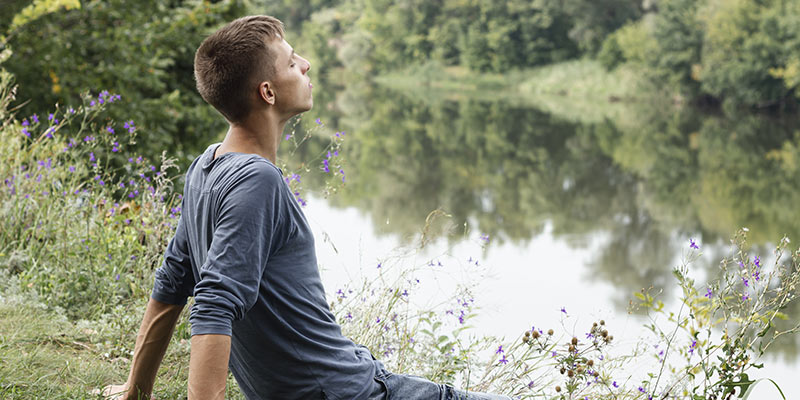
The Via Romea Germanica pilgrimage is deeply spiritual and one of Europe’s most significant pilgrimage routes. Pilgrims can follow the steps of those who traveled this path for centuries to reach the Eternal City, Rome. Along the way, numerous churches, chapels, and sacred sites offer opportunities for reflection, meditation, and prayer. This journey is ideal for those seeking a deeper spiritual connection.
- Trento (Stage 8): The Cathedral of San Vigilio in Trento is an important place of prayer.
- Rome (Stage 46): St. Peter’s Basilica and the Basilica of Santa Maria Maggiore are sites of great religious significance.
- Cortona (Stage 33): Known for its religious heritage, including the Cathedral of Santa Maria Assunta.
- Orvieto (Stage 39): Famous for its Duomo, a masterpiece of Gothic architecture.
- Montefiascone (Stage 40): Renowned for the Basilica of Santa Margherita, a pilgrimage site.

Culture and history:
The Via Romea Germanica pilgrimage is filled with spirituality and is one of Europe’s most significant pilgrimage routes. Pilgrims can follow in the footsteps of those who journeyed along this path for centuries to reach the Eternal City, Rome. Along the way, numerous churches, chapels, and sacred sites offer opportunities for reflection, meditation, and prayer. It is an ideal route for those seeking a deeper spiritual connection.
- Ravenna (Stage 24): Ravenna is famous for its Byzantine mosaics.
- Arezzo (Stage 31): The city is rich in history and culture, with Piazza Grande and the Church of San Francesco.
- Viterbo (Stage 41): Viterbo offers a glimpse into medieval history with its San Pellegrino district.
- Rome (Stage 46): The Colosseum, Roman Forum, and Pantheon bear witness to the city’s millennia-old history.
- Polesella (Stage 18): Polesella is a small town with an intriguing history, situated along the Po River.

Encounters with Locals:
- Piazzola sul Brenta (Stage 13): A stop along the route where pilgrims can meet locals and experience Italian hospitality.
- Vipiteno (Stage 2): A charming town where you can experience South Tyrolean hospitality.
- Trento (Stage 8): Known for its warm welcome and hospitality.
- Rovigo (Stage 16): A city on the Po River with a welcoming community.
- Rome (Stage 46): The city welcomes visitors from around the world with an open spirit.

Natural beauty:
The Via Romea Germanica crosses a variety of landscapes, including mountains, hills, forests, and plains. This diversity offers a unique experience of immersion in nature. Pilgrims can enjoy peaceful walks, breathtaking views, and moments of tranquility as they traverse stunning natural settings.
- Tuscan-Emilian Apennines (various stages, e.g., Stage 9 and Stage 10): This stretch offers spectacular mountain scenery with peaks, forests, and stunning landscapes.
- Val d’Orcia (various stages, e.g., Stage 32 and Stage 33): A region with rolling hills, golden fields, and medieval towns, recognized as a UNESCO World Heritage Site.
- Umbria (various stages, e.g., Stage 33 and Stage 34): Characterized by a lush, picturesque countryside with forests, rivers, and historic villages.
- Lake Bracciano (near Campagnano, Stage 45): This lake offers serene natural beauty and rare tranquility, ideal for a relaxing pause along the route.
- Bracciano-Martignano Regional Park (near Campagnano, Stage 45): This park provides a rich natural environment of forests, lakes, and trails, perfect for contemplation and immersion in nature.

Journey and Self-Discipline:
The journey requires both physical and mental commitment, offering pilgrims the opportunity to develop self-discipline and resilience. Overcoming challenges such as long distances and varied terrain can be a source of personal growth and a rewarding experience.
- The long distances between Italian stages demand good physical fitness and willpower.
- Climbing the slopes of the Tuscan hills can be both a physical and mental challenge.
- Hiking through the forests of Umbria offers a chance for self-discipline.
- Walking along the Campania coast requires endurance to cover significant distances.
- Crossing the city of Rome requires careful navigation and determination.

Food and local Cuisine:
Each region along the Via Romea Germanica offers its own traditional cuisine and local products. Pilgrims will have the opportunity to taste delicious regional dishes, wines, and local food, enriching their journey with unique culinary experiences.
- Bressanone (Stage 2): In this South Tyrolean city, you can enjoy traditional Alto Adige dishes, such as speck and canederli (dumplings).
- Bolzano (Stage 5): Bolzano is famous for its markets, where you can savor Tyrolean cheeses and local products.
- Termeno (Stage 6): This area is renowned for its production of Gewürztraminer wine, a must-try for wine lovers.
- Bassano del Grappa (Stage 12): Here you can taste the famous grappa and explore Venetian cuisine.
- Padua (Stage 14): Padua offers a wide range of authentic Venetian dishes, such as risottos and baccalà mantecato (creamed salted cod).
- Polesella (Stage 18): Try Veneto dishes in this town along the Po River.
- Ferrara (Stage 19): Ferrara is famous for its cappellacci di zucca (pumpkin-filled pasta) and other Emilian specialties.
- Traghetto (Stage 20): This stage offers the opportunity to enjoy fresh seafood dishes along the coast.
- Argenta (Stage 21): Taste traditional Emilian cuisine and Po River fish dishes.
- Valli di Comacchio (Stage 22): This area is known for Comacchio eels and other fish specialties.
- Casalborsetti (Stage 23): Experience the flavors of the Adriatic Sea with fresh fish dishes.
- Ravenna (Stage 24): Ravenna is famous for its Romagnola dishes, such as piadina (flatbread) and passatelli (pasta).
- Forlì (Stage 25): Try the Romagnola cuisine with its cured meats, cheeses, and homemade pasta.
- Cusercoli (Stage 26): This stage offers the chance to taste traditional Emilian cuisine.
- Santa Sofia (Stage 27): Enjoy typical dishes from the Apennines, such as lasagna and porcini mushrooms.
- Bagno di Romagna (Stage 28): Taste Romagnola dishes like brodetto (fish stew) and cappelletti (stuffed pasta).
- Valle Santa (Stage 29): This location is renowned for its mountain cheeses and local dairy products.
- Chitignano (Stage 30): Experience Tuscan cuisine with meat-based dishes, such as bistecca alla fiorentina (Florentine steak).
- Subbiano (Stage 31): Try traditional Tuscan dishes and local wines.
- Arezzo (Stage 32): Taste Arezzo’s cuisine with dishes like ribollita (vegetable soup) and bistecca alla fiorentina.